Soviet Russia and the Negro. Kaddish 2011
In 1922, the famed poet and intellectual of the Harlem Renaissance, Claude McKay, visited Revolutionary Russia and wrote an essay entitled, Soviet Russia and the Negro. In the essay, McKay describes very positively the Soviet achievements in the area of fighting racial prejudice, xenophobia, and anti-Semitism. As many African American intellectuals of his time—including Langston Hughes, Paul Robeson, and W. E. B. Du Bois who visited the Soviet Union—McKay saw in the Soviet example a promise of racial integration, internationalism, and non-discrimination. In particular, he writes of good treatment in Soviet Russia of people of African descent, Jews, and Central Asians.
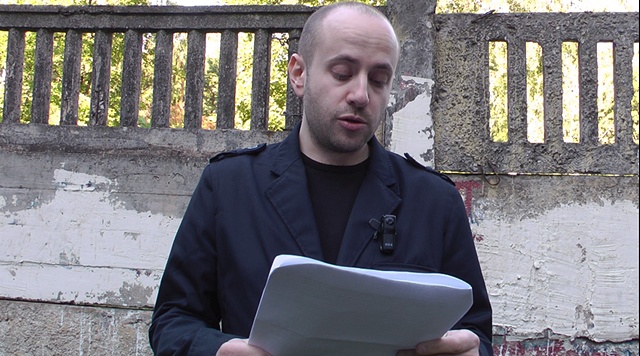
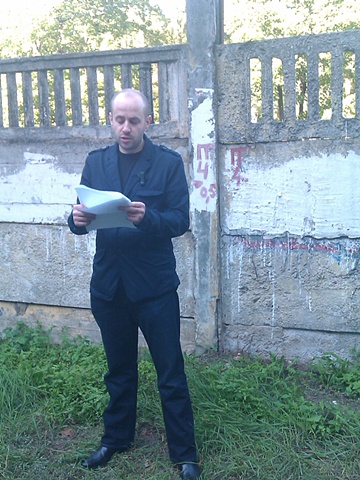
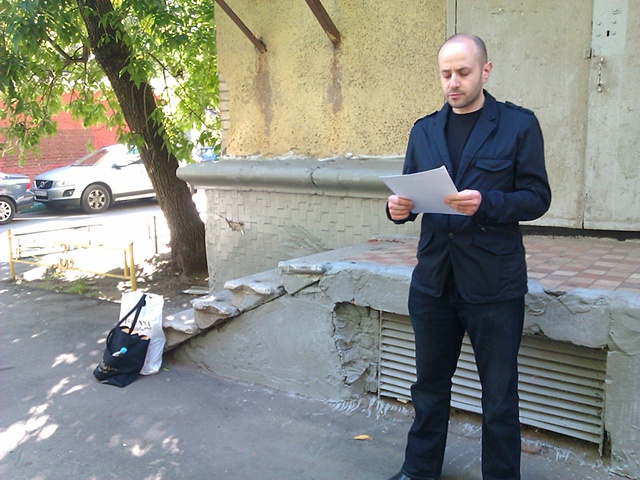
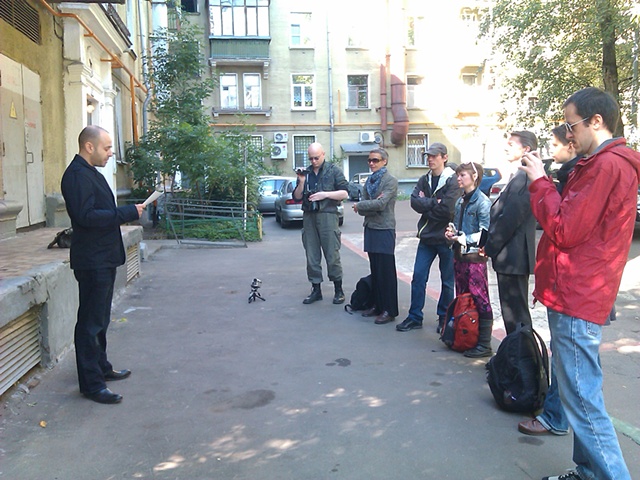
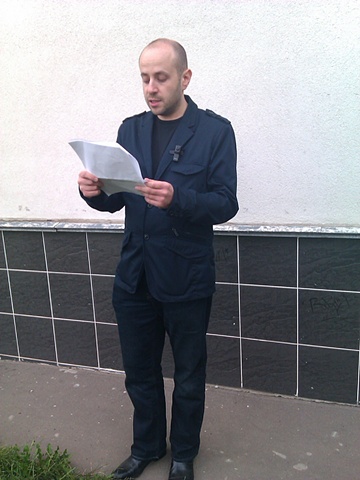
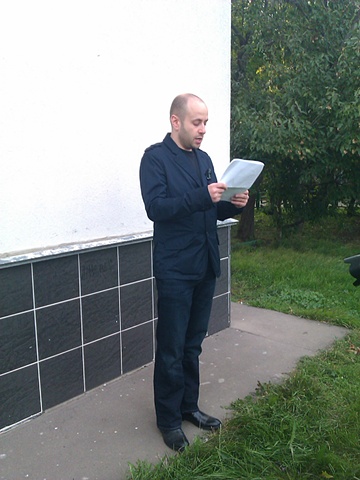
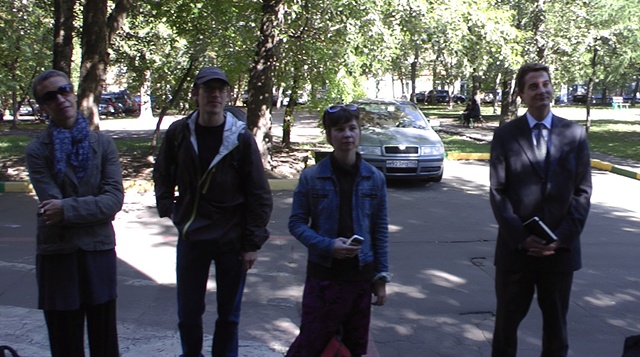
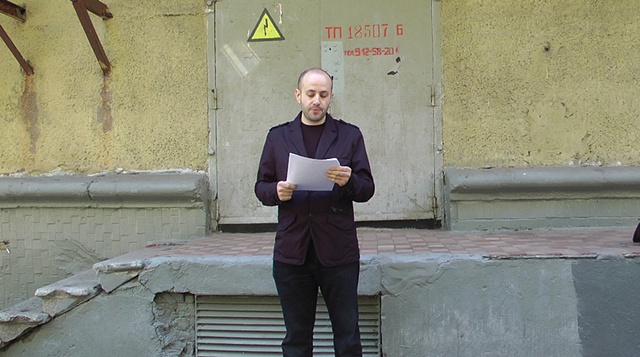
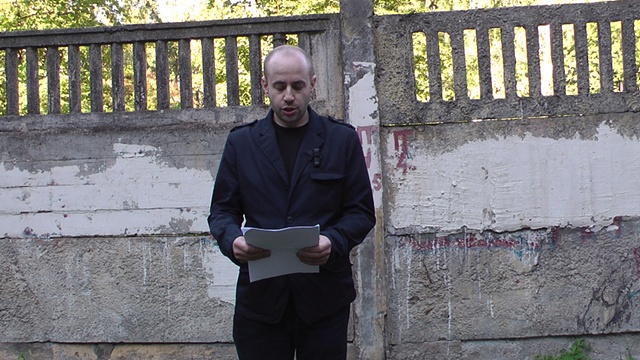
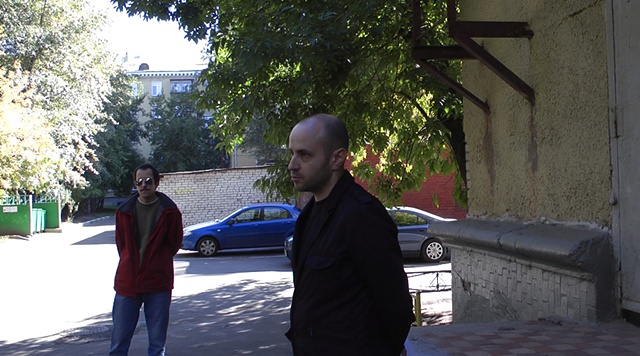
For this performance, Soviet Russia and the Negro. Kaddish, Yevgeniy Fiks reads Claude McKay's essay, "Soviet Russia and the Negro," at Moscow sites where hate crimes have been committed over the last decade against people of color. The performance will serve as remembering of those who have suffered from these crimes and mourning for the failure of the historical Soviet promise of internationalism, integration, non-discrimination, and solidarity. A Kaddish in sites of recent race-inspired hate crimes in Moscow, against tragedies which happened in recent years, evokes the issue of junctions and disjunctions of solidarity in both historical and the present-day contexts—on the ruins of the Soviet experiment.
Selected Bibliography
Innokenty Grekov, Moscow Biennale Art Performance Brings Attention to Victims of Racist Violence. Human Rights First, September 8, 2011